Palu hill
620 kg
CertifiedCentral Sulawesi, Indonesia
Smallholder tappers in Central Sulawesi sell sap to village kilns. We record each batch from the tree to the export carton, so a buyer knows which village and which day it came from.
wayan@gulapohon.store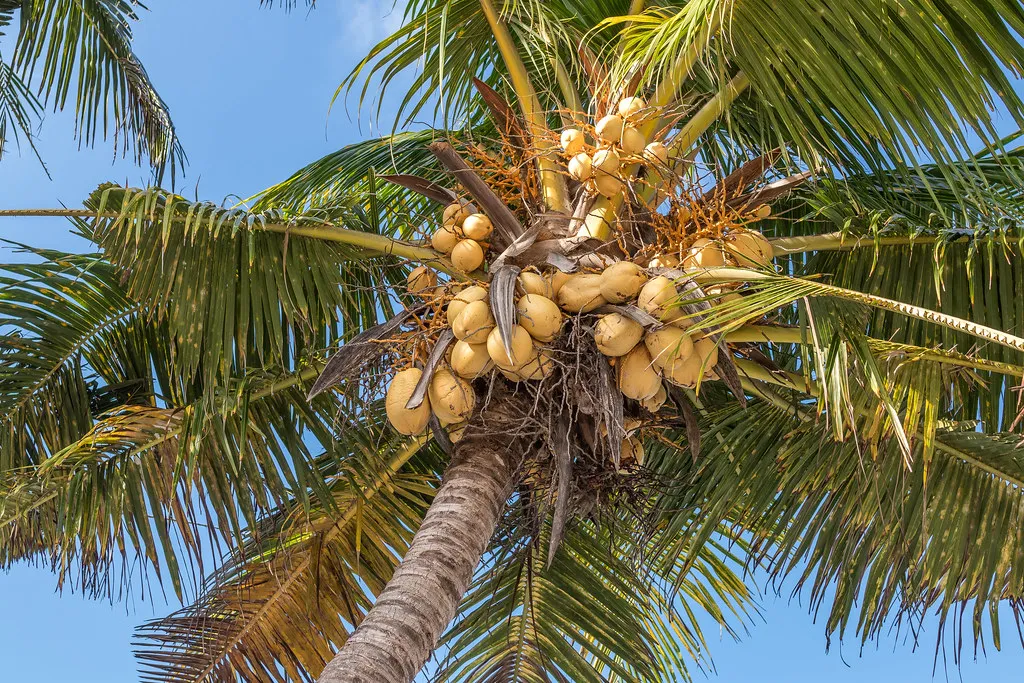
620 kg
Certified410 kg
Drying280 kg
Shipped510 kg
CertifiedSap is collected and logged by tree block.
The kiln run is timed and the batch is coded.
Moisture and cooling are recorded before packing.
The carton is sealed and linked to its batch.
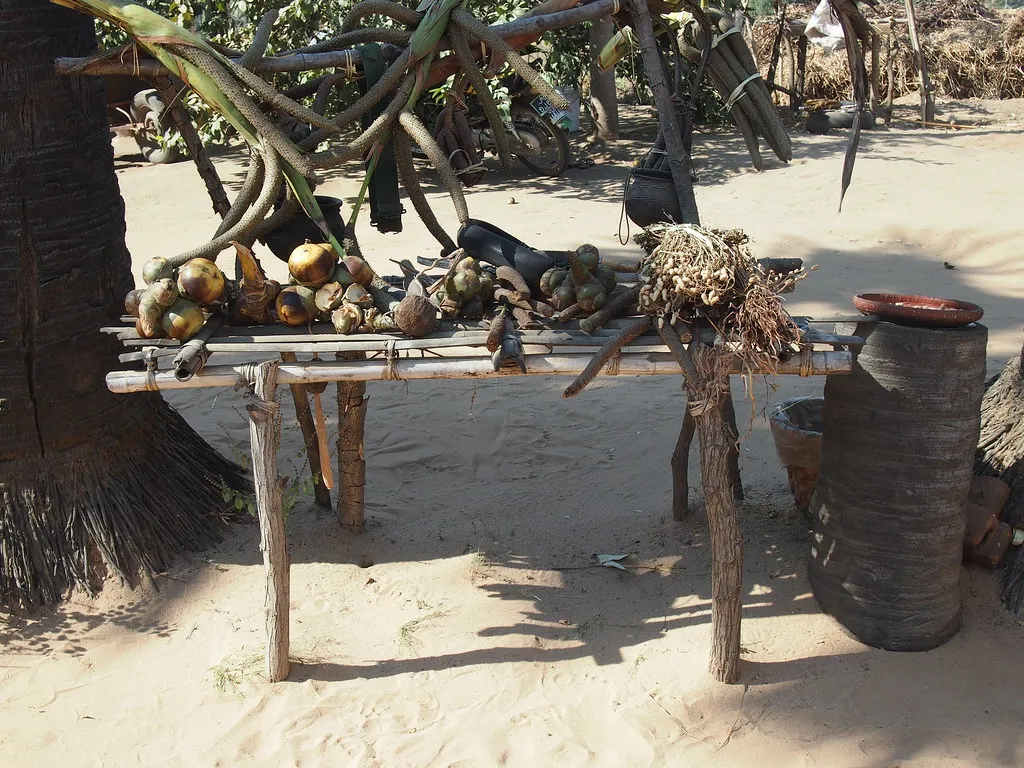
Sap volume per tapper is logged each morning, with the tree block it came from.
Kiln temperature, boiling time and the cooler used are kept against each batch.
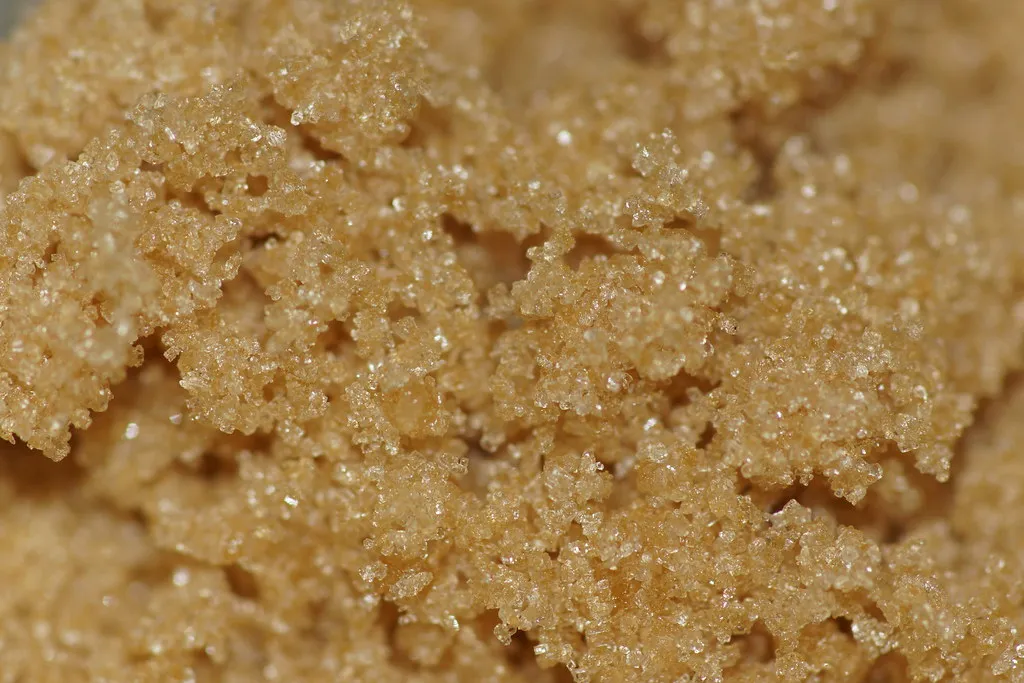
Each carton carries the batch code and the village list for the buyer.
Tappers are paid by the village kiln, which uses our log to settle the sap they brought in.
No. Buyers see village names and batch codes only.
The kiln enters it, and a buyer can request a sample test against the logged figure.